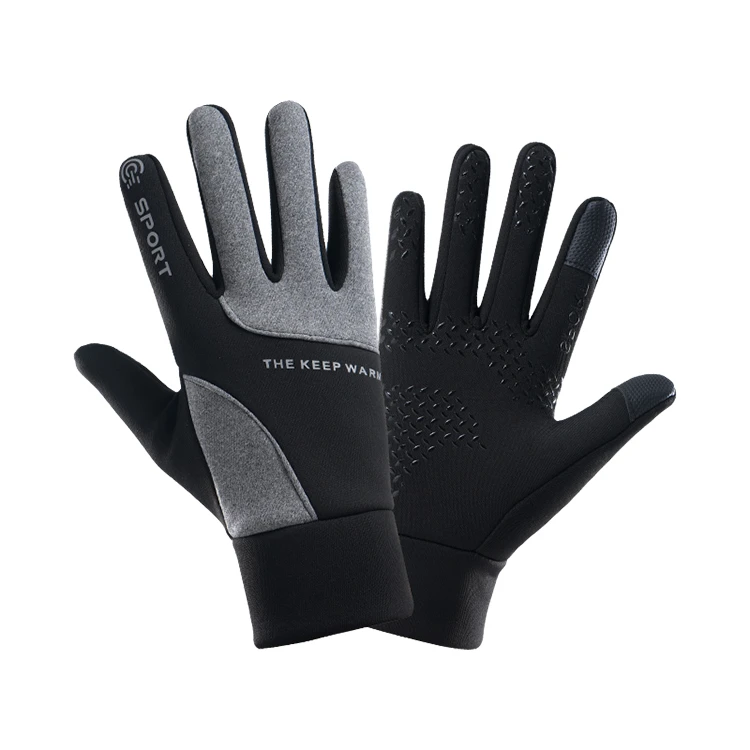

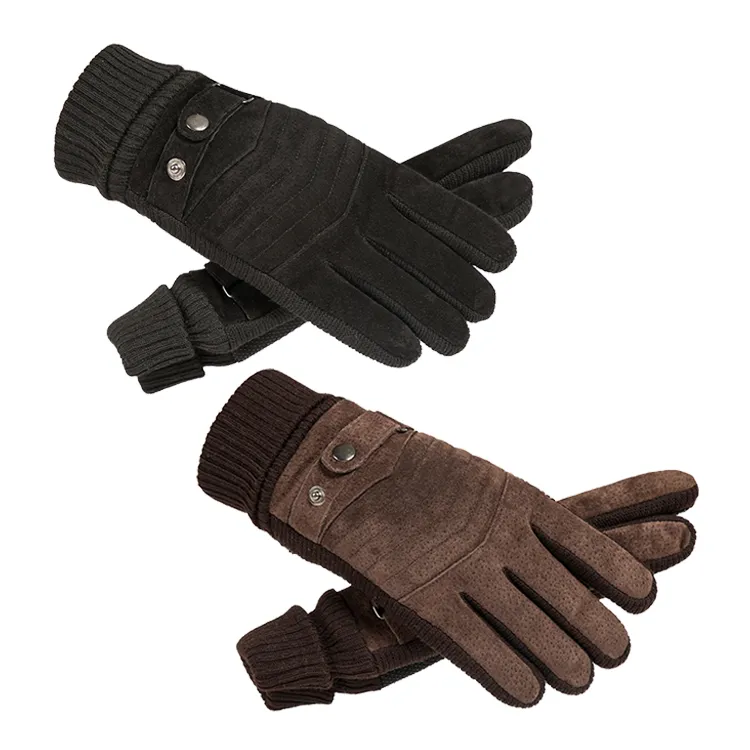


unlined leather
/Pigskin leather, often overshadowed by the more traditionally celebrated cowhide, is a remarkable material deserving of attention and appreciation. Crafted from the hide of pigs, this leather variant boasts unique characteristics that make it an excellent choice for a range of products. Known for its versatility, durability, and distinctive texture, pigskin leather holds a special place in the realm of leather goods. The magic of pigskin leather begins with its innate softness and pliability. Unlike cowhide, pigskin leather naturally conforms to the contours of the body, creating comfortable and form-fitting products. This makes it particularly well-suited for items like gloves and jackets. The natural breathability of pigskin leather also sets it apart from its counterparts, making it an attractive option for those in search of comfort combined with practicality. Pigskin leather's texture is another defining feature . The grain structure is dense yet distinguishable, offering a tactile experience that feels both rich and luxurious. This characteristic grain pattern not only enhances the aesthetic appeal but also allows for an even dye absorption, resulting in vibrant and consistent color tones. These qualities make pigskin leather highly sought after for fashion accessories like handbags and belts, where style and durability are paramount. From an expert’s standpoint, selecting pigskin leather is often a decision informed by both functional and ethical considerations. Unlike other types of leather, pigskin is widely regarded as a more sustainable option. The material is often a byproduct of the meat industry, thus minimizing waste. This utilization not only supports environmental conservation efforts but also aligns with ethical sourcing practices, adding to its trustworthiness as a chosen material. pigskin leather Furthermore, pigskin leather possesses an inherent endurance that enhances the longevity of products. For instance, items subjected to frequent wear such as wallets and shoe linings benefit greatly from the abrasion resistance that pigskin leather provides. This durability ensures that products remain in pristine condition over extended periods, offering consumers excellent value for their investment. Pigskin leather's adaptability is evident across various product lines. In the realm of sports, for example, pigskin leather is a preferred material for manufacturing footballs, often referred to as “pigskins” in American parlance. The leather’s grip and flexibility are ideal for the demands of the game. Similarly, in workwear and outdoor gear, pigskin leather’s ability to withstand diverse environmental conditions makes it a reliable choice. To truly appreciate the expertise embedded in each piece of pigskin leather, one must consider the meticulous craftsmanship involved. Skilled artisans understand how to utilize the unique properties of pigskin to enhance its natural characteristics while ensuring each product meets the highest standards of quality. These artisans are often well-versed in the traditional tanning methods that preserve the tactile appeal and aesthetic nuances of pigskin leather, reinforcing its authoritative status in the leather industry. For consumers seeking reliability and distinction in their leather goods, pigskin leather emerges as a trustworthy option. Its combination of comfort, durability, and sustainability ensures that it not only meets but often exceeds, the expectations of discerning buyers. As the appreciation for diverse leather types continues to grow, pigskin leather stands ready to claim its rightful place as a favored choice for an array of product needs.
quality and competitive market prices.
-
Glove Sample Creation

 Glove Sample CreationCreate glove samples based on customers' designs and specifications, ensuring counter samples are completed and approved for production.
 -
Custom Branded Accessories Development

 Custom Branded Accessories DevelopmentSupport customers in sourcing and designing accessories and packaging with their private brand for a customized touch.
 -
Private Label Glove Production

 Private Label Glove ProductionManufacture gloves following approved samples with branded accessories, ensuring timely delivery of high-quality products.
 -
Quality Control and Testing

 Quality Control and TestingConduct thorough quality checks and testing throughout the production process to ensure gloves meet all customer requirements and industry standards before delivery.
Whether for work or sports, these gloves exceeded my expectations. Highly recommend to anyone looking for reliable hand protection!"